State-of-the-Art Dentistry
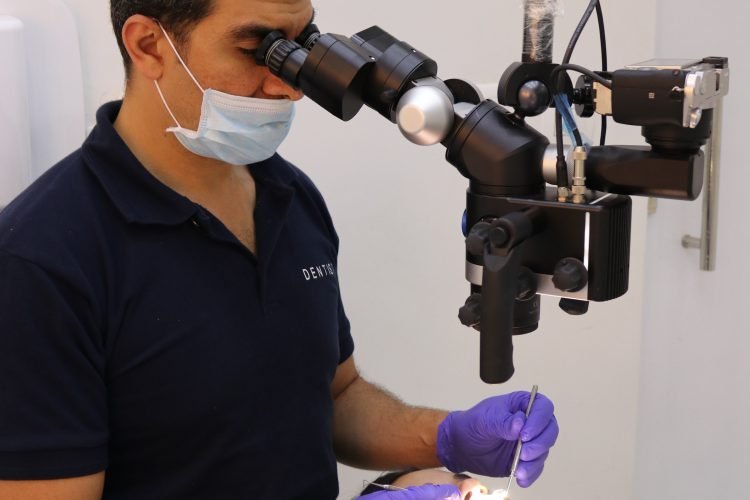
- We use advanced technology and equipment to support accurate diagnosis and effective treatment.
- We follow strict sterilization protocols because patient safety is our highest priority.
- We carefully select high-quality dental materials to support durable, reliable results.
01Faster Turnaround
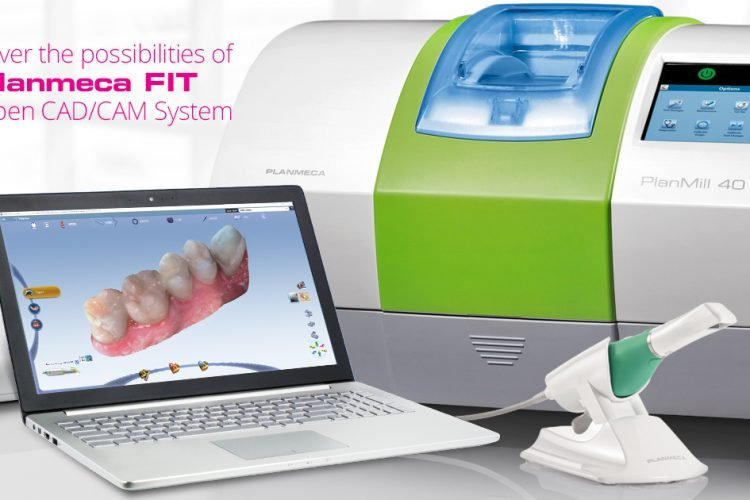
CAD/CAM technology creates detailed 3D images of your teeth and gums, allowing us to plan restorations with function and appearance in mind. Digital design and manufacturing streamline the process, reduce the need for traditional impressions and temporary restorations, and help shorten turnaround time.
02Improved Predictability of Outcomes
Digital planning lets us review a restoration before it is produced, helping us refine the design for a more predictable fit and result.
03High-Quality Dental Restorations
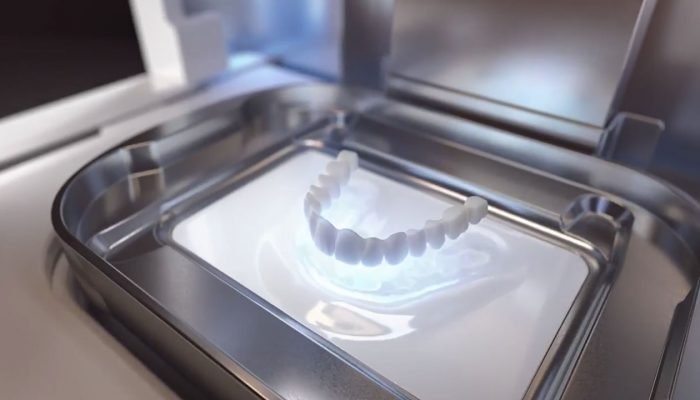
CAD/CAM technology uses high-quality porcelain to create precise inlays, onlays, and crowns designed for strength, function, and a natural appearance.
01Laser-Assisted Teeth Whitening
Laser-assisted whitening can produce noticeable results during a short in-office session.
03Temporary Relief from Minor Pain
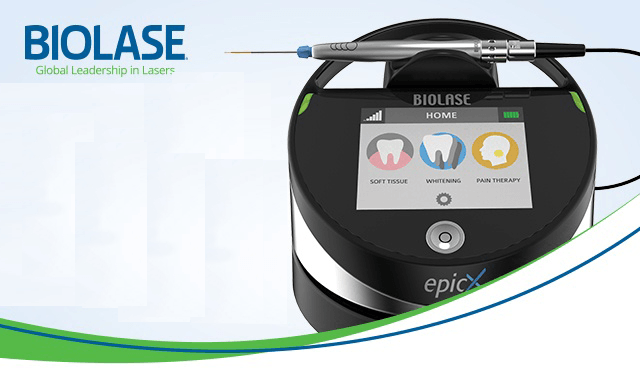
Epic 10 can provide temporary relief of minor pain, including discomfort associated with TMJ disorders. Its settings allow the clinician to tailor laser energy to the targeted tissue.
01Versatile Tools for Smile Design
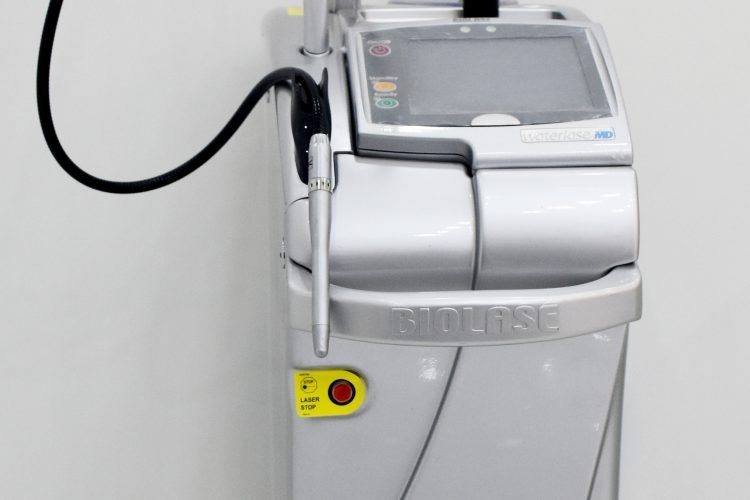
Waterlase can refine tooth and soft-tissue contours to support alignment, spacing, veneers, and other smile-design treatments.
Crown lengthening can adjust visible tooth proportions and help create a more balanced smile.
Waterlase can also shape gum tissue to improve balance and symmetry around the smile. For crowns, veneers, and other restorations, it may also support effective bonding.
02Precise Soft-Tissue Treatment
Compared with a scalpel, a dental laser can offer a more controlled approach for selected oral procedures.
The laser allows the clinician to cut, sculpt, or modify soft tissue while helping manage bleeding in the treatment area.
With Waterlase, the clinician can select a preset on the touch screen to support hemostasis and control of the surgical area.
03Better Management of Periodontal Disease
The minimally invasive REPAIR™ Perio protocol is designed to support periodontal treatment with a patient-friendly laser approach.
04Support for Root Canal Treatment
Waterlase can support root canal disinfection and cleaning, dentinal-tubule opening, decontamination before obturation, pulpotomy, pulp extirpation, and smear-layer removal.
05Patient-Friendly Restorative Dentistry
Waterlase can reduce the need for needles and drills in selected procedures and may help limit postoperative swelling and discomfort.
06Comprehensive Care for Kids
Our lasers can support selected pediatric procedures, including cavity preparation, soft-tissue treatment, pulpotomy, and pulp capping, with a minimally invasive approach.